1. Introduction: The Numbers on the Scale
Most people start their fitness journey with a single goal: “to lose weight.” However, at FitCoreLogic, we challenge this narrow perspective. If you lose 5kg but half of that is muscle tissue, you haven’t necessarily improved your health or your physique. Understanding the distinction between weight loss and fat loss is the fundamental logic required to transform your body sustainably. While weight loss is a simple reduction in overall body mass, fat loss focuses specifically on reducing adipose tissue while preserving vital lean muscle.
2. The Biological Logic of Metabolism
Your metabolism is not a fixed number; it is a dynamic system influenced by your body composition. Muscle is metabolically active tissue, meaning it burns more calories at rest than fat does. If you focus solely on “weight loss” through extreme calorie restriction, your body may begin to break down muscle for energy. This lowers your basal metabolic rate (BMR), making it harder to keep the weight off in the long term. The logical approach is to prioritise fat loss, which ensures your metabolic engine remains powerful and efficient.
3. Why “Skinny Fat” Happens
The term “skinny fat” describes a scenario where an individual’s weight is within a normal range, but their body fat percentage is high and muscle mass is low. This is often the result of excessive cardio combined with a severe lack of protein and resistance training. By chasing a lower number on the scale without considering what that weight consists of, you risk losing the metabolic “tone” that gives the body a firm, athletic appearance. True transformation requires a shift in focus from the scale to the measuring tape and the mirror.
4. Strategising for Muscle Preservation
To ensure that the weight you lose comes primarily from fat, you must provide your body with a reason to keep its muscle. This is achieved through two main pillars:
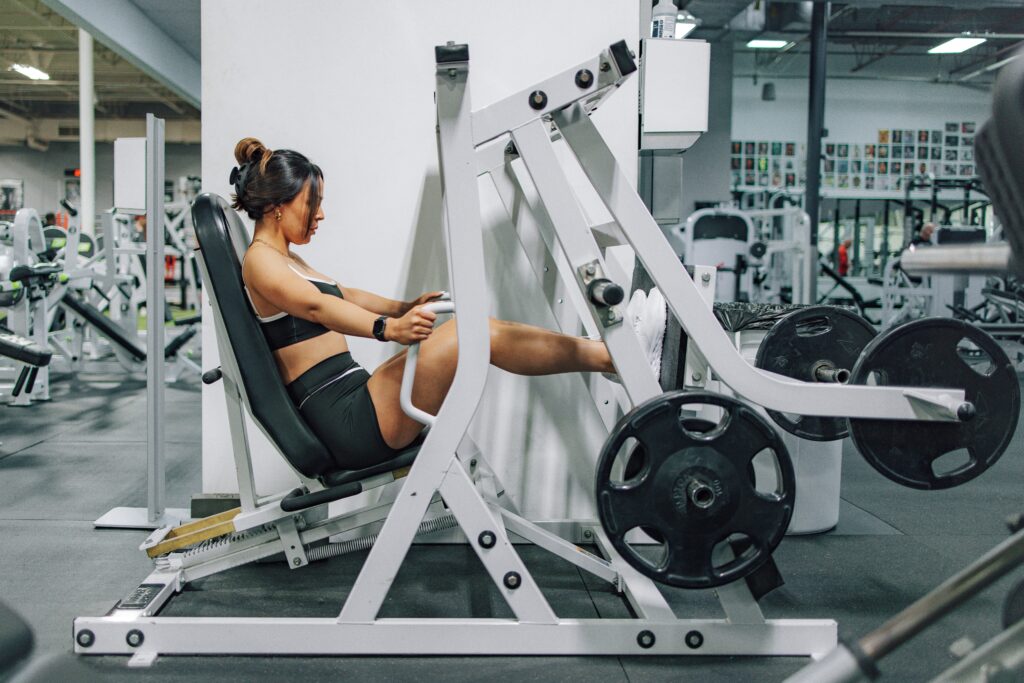
- Resistance Training: Lifting weights or performing bodyweight exercises signals to your body that muscle is necessary for survival.
- High Protein Intake: Protein provides the amino acids required to repair and maintain muscle tissue during a caloric deficit. Without these two elements, your body will logically choose the path of least resistance, which often involves shedding muscle alongside fat.
5. The Role of Hormonal Logic
Fat loss is not just about “calories in vs. calories out”; it is also about hormonal balance. Hormones like insulin, cortisol, and leptin dictate where your body stores fat and how easily it releases it. For instance, chronic stress increases cortisol, which encourages fat storage around the midsection—even if you are eating “clean.” A logical plan incorporates quality sleep and stress management to ensure your internal chemistry is optimised for fat burning rather than fat storage.
6. Measuring Success Beyond the Scale
If you are gaining muscle while losing fat—a process known as body recomposition—the scale may not move at all. However, your clothes will fit better, your energy will increase, and your health markers will improve. This is why we encourage our clients to use multiple data points. Progress photos, waist-to-hip ratios, and strength gains in the gym are far more accurate indicators of fat loss success than a standard bathroom scale.
| Feature | Weight Loss | Fat Loss (FitCoreLogic Goal) |
| Primary Goal | Decrease overall body mass | Decrease body fat percentage |
| Metabolic Impact | Can slow down metabolism | Boosts or maintains metabolism |
| Body Shape | May result in “skinny fat” look | Results in a toned, athletic look |
| What is Lost? | Fat, Muscle, and Water | Primarily Adipose (Fat) Tissue |
| Sustainability | Hard to maintain long-term | Highly sustainable and healthy |
Frequently Asked Questions (FAQs)
Q: Can I turn fat into muscle?
A: Technically, no. Fat and muscle are two different types of tissue. However, you can lose fat and build muscle simultaneously through a process called body recomposition, which changes your overall body composition.
Q: Why has the scale stopped moving even though I’m exercising?
A: This is often a sign of progress! You may be losing fat and gaining muscle at the same rate. Check your measurements and how your clothes fit instead of relying on the scale.
Q: Is cardio or weightlifting better for fat loss?
A: While cardio burns more calories during the activity, weightlifting keeps your metabolism elevated for hours afterwards and builds the muscle that burns fat 24/7. A logical mix of both is best.
Q: How much protein do I need for fat loss?
A: A general logical guideline is to aim for 1.6g to 2.2g of protein per kilogram of body weight. This ensures your muscles are protected while you are in a caloric deficit.
About the Author