1. Introduction: Moving Beyond the Machines
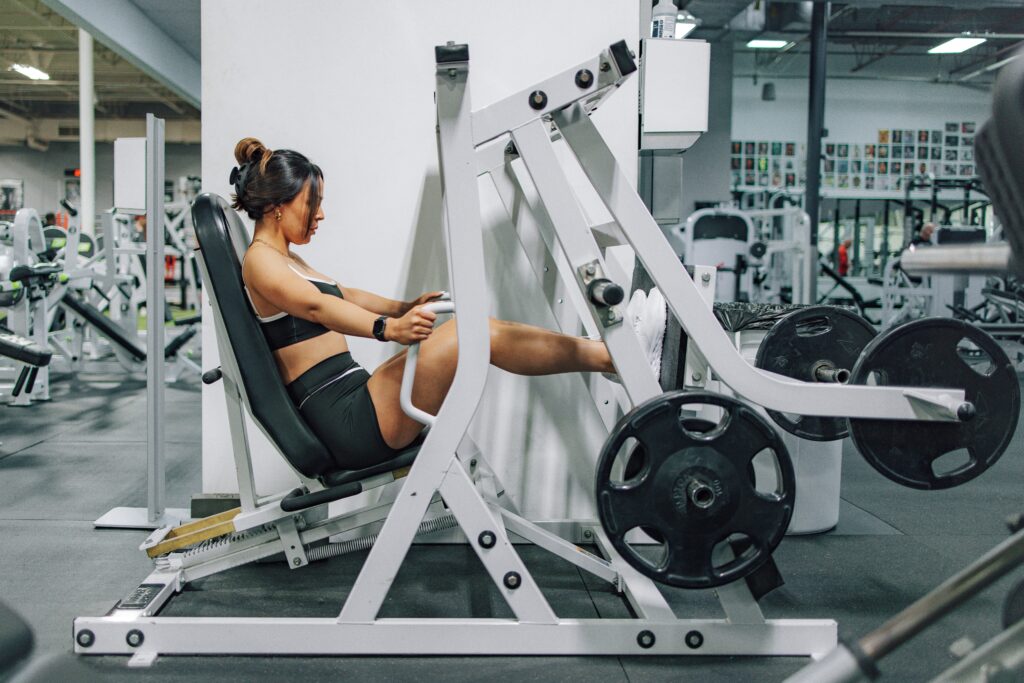
In many traditional gyms, people spend their time sitting on machines that isolate a single muscle group. While this can build size, it doesn’t always translate to better movement in the real world. At FitCoreLogic, we advocate for Functional Fitness. This is the logic of training your body to handle the activities of daily life—whether that is carrying heavy suitcases through an airport, picking up a toddler, or reaching for a high shelf without straining your back.
2. The Logic of Compound Movements
Functional fitness focuses on compound movements—exercises that involve multiple joints and muscle groups working in harmony. Instead of a leg extension machine that only targets the quads, we prioritise the squat. The squat mimics the natural human movement of sitting down and standing up. By training movements rather than isolated muscles, you develop a body that is not just “for show,” but a body that is genuinely capable and resilient.
3. The Five Fundamental Patterns
To build a truly functional body, your training should be organised around five basic human movement patterns. The logic is that if you are strong in these five areas, you are prepared for almost any physical challenge:
- Squat: Bending at the hips and knees (sitting).
- Hinge: Bending at the waist (picking something up from the floor).
- Push: Moving weight away from your body (opening a heavy door).
- Pull: Drawing weight towards you (rowing or pulling a lever).
- Lunge: Stepping forward or sideways (climbing stairs or moving through a crowd).
4. Stability and Balance in a 3D World
Real life doesn’t happen on a fixed track or a guided rail. Life is three-dimensional. Functional training incorporates “unstable” elements like single-leg movements or using free weights like kettlebells and dumbbells. This forces your “Core Logic” to engage, stabilising your spine and joints against gravity. This type of training significantly reduces the risk of common injuries, such as twisted ankles or lower back tweaks, by strengthening the stabiliser muscles that machines often ignore.
5. Benefits for the Modern Professional
For the busy professional, functional fitness offers a high “return on investment.” You aren’t just training for aesthetics; you are training for longevity. Better functional strength leads to improved posture during long hours at a desk and more energy during the day. It addresses the “muscular amnesia” that occurs from sitting too long, “re-teaching” your glutes and core how to support your body weight effectively.
6. Building a Resilient Future
The ultimate logic of functional fitness is future-proofing your health. As we age, we naturally lose muscle mass and balance. By prioritising functional movements now, you maintain the bone density and coordination required to stay independent and active well into your later years. At FitCoreLogic, we don’t just train for the next month; we train for the next few decades.
| Real-Life Action | Gym Machine Equivalent | Functional Logic Alternative | Why it’s Better |
| Picking up boxes | Leg Press | Deadlift / Hinge | Protects the lower back |
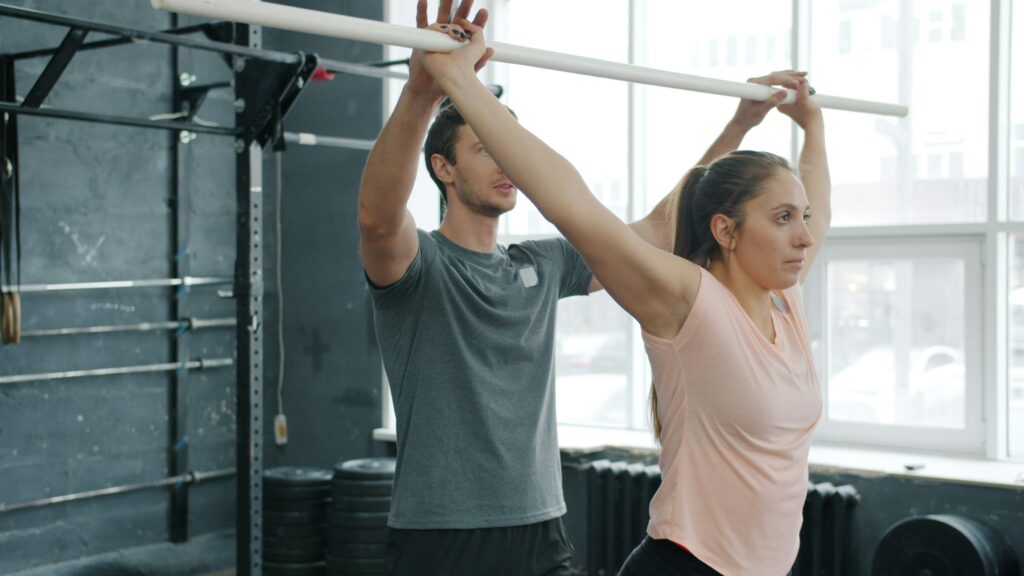
| Placing luggage in overhead bin | Tricep Extension | Overhead Press | Uses core and shoulders together |
| Climbing steep stairs | Leg Curl | Weighted Lunges | Improves balance and hip power |
| Opening a heavy gate | Bicep Curl | Bent Over Row | Engages the entire back and grip |
Frequently Asked Questions (FAQs)
Q: Can I build muscle with functional fitness?
A: Absolutely. Because compound movements allow you to lift heavier weights and engage more muscle fibres, you can build significant strength and a lean, athletic physique.
Q: Do I need special equipment for functional training?
A: Not necessarily. While kettlebells and sandbags are great, you can start with just your body weight. Movements like push-ups and squats are the foundation of all functional logic.
Q: Is functional fitness harder than using machines?
A: It is more “taxing” because it requires more concentration and balance. However, the benefits to your joints and everyday energy levels far outweigh the extra effort.
Q: How do I know if a movement is “functional”?
A: Ask yourself: “Does this movement look like something I do in real life?” if the answer is yes, it’s likely a functional exercise.
About the Author