1. Introduction: The Cardio Dilemma
When it comes to cardiovascular health, the fitness world is often divided into two camps: those who swear by High-Intensity Interval Training (HIIT) and those who prefer Low-Intensity Steady-State (LISS) cardio. At FitCoreLogic, we avoid picking sides based on trends. Instead, we look at the metabolic logic of each method. Both have unique benefits, and the “better” choice depends entirely on your fitness level, your available time, and your ultimate goals.
2. The Logic of HIIT: Maximum Efficiency
HIIT involves short bursts of near-maximal effort followed by brief periods of rest or low-intensity activity. The logic here is efficiency. For the busy professional, HIIT offers the ability to achieve significant cardiovascular improvements in just 15 to 20 minutes. Beyond the time-saving aspect, HIIT triggers a higher “Afterburn Effect” (EPOC), meaning your body continues to burn calories at an accelerated rate as it works to return to its resting state long after you have left the gym.
3. The Logic of Steady-State: The Aerobic Base
Steady-state cardio, such as a 45-minute jog or a long walk, involves maintaining a consistent, moderate heart rate. The logic of LISS is endurance and recovery. It builds a strong “aerobic base,” which improves your heart’s ability to pump blood and your muscles’ ability to use oxygen. Because it is lower impact, it places less stress on the central nervous system, making it an excellent choice for active recovery days or for those who are currently managing high levels of work-related stress.
4. Fat Loss vs. Performance: What Does the Science Say?
If your goal is purely fat loss, HIIT is often viewed as the superior tool due to its high caloric density per minute. However, the logic of sustainability is just as important. HIIT is physically demanding and requires a longer recovery time. LISS, while burning fewer calories per minute, can be performed more frequently without the risk of overtraining. For the most logical results, a combination of both ensures you burn fat while maintaining a healthy, resilient heart.
5. Impact on Joints and Longevity
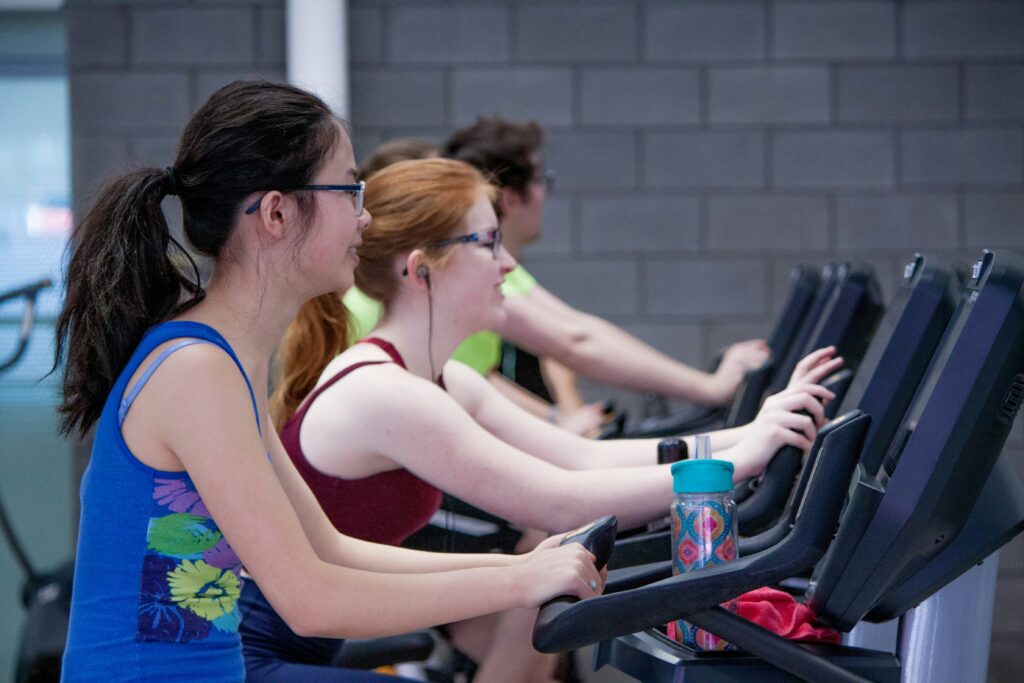
For many professionals, joint health is a major concern. The high-impact nature of HIIT (like sprinting or jumping) can be tough on the knees and ankles if not performed with perfect form. Logically, if you have a history of joint issues, LISS or low-impact HIIT (like intervals on a stationary bike) is the safer path. At FitCoreLogic, we prioritise longevity; there is no logic in a workout that leaves you injured and unable to train the following week.
6. The “Hybrid” Approach: The FitCoreLogic Recommendation
The most logical way to structure your cardio is to use a hybrid model. Use HIIT twice a week to boost your metabolic rate and power output, and use LISS on the other days to build endurance and promote mental clarity. This balanced approach ensures you reap the rewards of high-intensity performance without burning out, providing a comprehensive cardiovascular shield that supports both your physical health and your demanding professional life.
| Feature | HIIT (High Intensity) | LISS (Steady State) |
| Time Required | 15–25 Minutes | 45–60 Minutes |
| Calorie Burn | High (in short time) | Moderate (over long time) |
| Impact Level | Generally High | Generally Low |
| Recovery Needed | 48–72 Hours | 24 Hours or less |
| Main Benefit | Power & Metabolic Spike | Endurance & Heart Health |
Frequently Asked Questions (FAQs)
Q: Can I do HIIT every day?
A: Logically, no. HIIT is very taxing on the central nervous system. Doing it daily can lead to overtraining, sleep disturbances, and a decrease in performance. Aim for 2–3 sessions max per week.
Q: Is walking considered steady-state cardio?
A: Yes! Brisk walking is one of the most underrated forms of LISS. It is low-stress, improves cardiovascular health, and is a great way for professionals to clear their heads.
Q: Which one is better for heart health?
A: Both are excellent. HIIT improves your heart’s peak capacity, while LISS improves its efficiency and stroke volume. A mix of both is the most logical choice for heart longevity.
Q: Should I do cardio before or after weights?
A: If your goal is strength, do cardio after weights. This ensures you have maximum energy (glycogen) for your lifts, applying the logic of prioritising your most difficult tasks first.
About the Author