1. Introduction: The Fluid Logic of Health
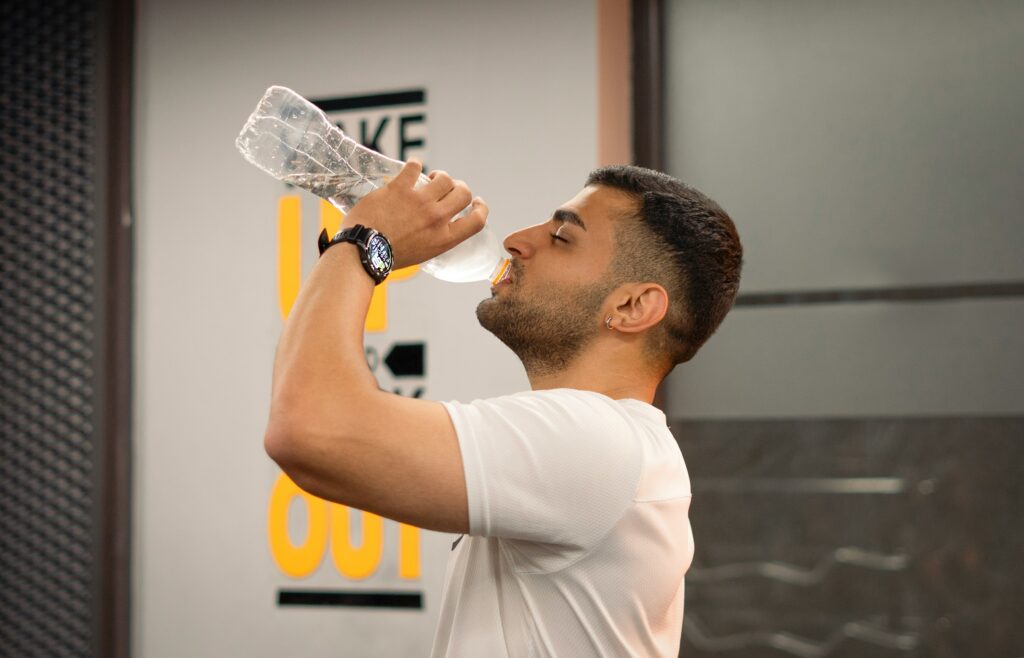
Water is the most essential nutrient for human life, yet it is surrounded by more “bro-science” and myths than almost any other topic in fitness. We have all heard the rule that we must drink eight glasses of water a day, but at FitCoreLogic, we look for the physiological logic behind the numbers. Hydration isn’t just about the volume of liquid you swallow; it is about maintaining the delicate balance of fluids and minerals that allow your cells to function, your muscles to contract, and your brain to stay sharp during a long day of meetings.
2. Myth #1: The “Eight Glasses a Day” Rule
The “8×8” rule is one of the most persistent myths in wellness. In reality, there is no scientific evidence to support this as a universal requirement. The logic of hydration is highly individual. A 100kg athlete training in a humid environment has vastly different needs than a 60kg professional working in a temperature-controlled office. Your water needs depend on your body weight, activity level, diet, and even the weather. The most logical way to monitor hydration is to listen to your body’s thirst signals and observe the colour of your urine.
3. Myth #2: Coffee and Tea Don’t Count
For years, people were told that caffeine is a diuretic and therefore “dehydrates” you. Modern science proves this is largely incorrect. While caffeine can have a mild diuretic effect, the water contained in your tea or coffee more than compensates for it. Logically, for a busy professional, your morning brew does contribute to your daily hydration totals. However, this isn’t an excuse to skip plain water; pure H2O remains the most efficient way to hydrate without the added sugars or stimulants found in other beverages.
4. The Logic of Electrolytes
Hydration is not just about water; it is about electrical conductivity. To move water into your cells, your body needs electrolytes—specifically sodium, potassium, and magnesium. If you drink excessive amounts of plain water without replenishing salts, you can actually dilute your blood’s sodium levels (a condition called hyponatremia). The logical approach is to ensure your diet includes mineral-rich foods or to add a pinch of sea salt to your water if you are sweating heavily during an intense FitCoreLogic workout.
5. Hydration and Cognitive Performance
For the professional, dehydration is a productivity killer. Even a 1% to 2% drop in hydration levels can lead to a significant decrease in concentration, memory, and mood. The logic is simple: your brain is approximately 75% water. When you are dehydrated, your brain tissue literally shrinks slightly, leading to “brain fog” and headaches. Staying hydrated throughout the work day is perhaps the simplest “bio-hack” available to maintain high-level executive function and decision-making speed.
6. Practical Strategies for a Busy Day
Staying hydrated shouldn’t be a chore. Applying logic to your habits makes it automatic:
- The “Front-Loading” Strategy: Drink 500ml of water immediately upon waking to reverse the dehydration that occurs during sleep.
- The Meeting Rule: Always have a glass of water on your desk during calls; it encourages “passive” sipping.
- Food as Fluid: Remember that about 20% of your water intake comes from food, especially fruits like watermelon and vegetables like cucumber and lettuce.
| Urine Colour | Hydration Status | Logical Action |
| Clear/Pale Straw | Optimal | Continue as you are |
| Yellow | Mildly Dehydrated | Drink a glass of water now |
| Dark Yellow/Amber | Dehydrated | Prioritise rehydration immediately |
| Orange/Brown | Severely Dehydrated | Seek medical advice if it persists |
Frequently Asked Questions (FAQs)
Q: Can you drink too much water?
A: Yes. Over-hydration can lead to water intoxication, which unbalances your electrolytes. The logic is to drink when thirsty and avoid “forcing” gallons of water for no reason.
Q: Should I drink alkaline water?
A: There is very little scientific evidence to suggest alkaline water provides superior benefits over filtered tap water. Your body logically regulates its own pH levels very effectively.
Q: Does cold water burn more calories?
A: Technically, yes, as the body uses energy to warm the water to body temperature. However, the caloric difference is so tiny (about 8–15 calories per glass) that it shouldn’t be your primary weight-loss strategy.
Q: Are sports drinks better than water?
A: For sessions under 60 minutes, water is usually sufficient. For long, intense endurance sessions where you are sweating profusely, a low-sugar electrolyte drink is logically more effective for replenishment.
About the Author