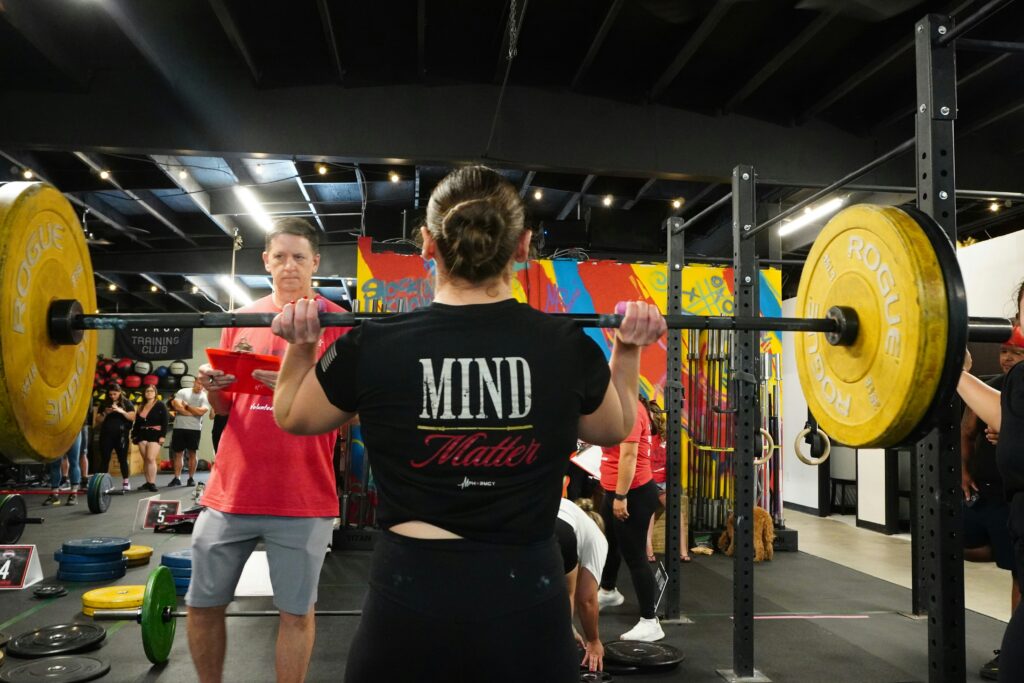
1. Introduction: The Brain-Body Connection
Fitness is often discussed as a physical challenge, but the greatest battles are usually fought in the mind. At FitCoreLogic, we understand that a strong core and a healthy metabolism are useless if the mind lacks the discipline to show up. Mental toughness is not about being “macho” or ignoring pain; it is the psychological logic of staying committed to your goals when the initial excitement has worn off. Consistency is the bridge between goals and accomplishment, and that bridge is built in the brain.
2. The Logic of Habit over Motivation
Motivation is like a spark; it gets the fire started but rarely keeps it burning. It is an emotion, and like all emotions, it is fleeting. The logical professional relies on habits, not motivation. By automating your fitness routine—deciding that you train at 7:00 AM regardless of how you “feel”—you remove the mental fatigue of decision-making. When exercise becomes a non-negotiable part of your identity, consistency becomes effortless.
3. Overcoming the “All or Nothing” Fallacy
Many people quit their fitness journey because they believe that if they miss one workout or eat one “bad” meal, the entire week is ruined. This is a logical error. In any other professional field, a single mistake does not mean you shut down the business. Mental toughness involves adopting a “resilient” mindset. If you miss a session, the logic is simple: get back on track with the very next meal or the very next day. Perfection is the enemy of progress.
4. Goal Setting: The Power of Micro-Wins
To build long-term consistency, you must break large, intimidating goals into “Micro-Wins.” Aiming to lose 20kg can feel overwhelming, leading to mental paralysis. However, aiming to complete three 15-minute workouts this week is a manageable, logical target. Each time you achieve a small goal, your brain releases dopamine, reinforcing the habit loop and building the confidence needed to tackle larger challenges.
5. Embracing Discomfort as Data
Mental toughness is the ability to sit with discomfort without reacting impulsively. Whether it is the burning sensation in your muscles during the final set or the urge to order fast food when stressed, these are just “data points” sent by your brain. The logical approach is to acknowledge the feeling, understand that it is temporary, and remain aligned with your long-term objectives. Training your mind to endure the gym makes you more resilient in the boardroom as well.
6. The Role of Identity in Consistency
The most powerful psychological tool for consistency is shifting your identity. Instead of saying “I am trying to get fit,” start saying “I am the type of person who never misses a Monday workout.” When fitness becomes part of who you are rather than just something you do, your actions naturally align with that image. This is the ultimate “Core Logic”: changing the internal software to produce the desired external results.
| Feature | Temporary Motivation | Mental Discipline (The Logic) |
| Source | External (Videos, Quotes) | Internal (Habits, Identity) |
| Duration | Short-term / Unreliable | Long-term / Consistent |
| Trigger | “Feeling” like it | “Knowing” it must be done |
| Outcome | Peaks and Troughs | Steady, Linear Progress |
| Resilience | Quits when stressed | Adapts and continues |
Frequently Asked Questions (FAQs)
Q: How do I stay consistent when I’m exhausted from work?
A: Use the “5-Minute Rule.” Tell yourself you will only train for five minutes. Usually, the hardest part is starting. Once you begin, the logic of movement often provides a second wind.
Q: Is it okay to take a break when I’m mentally burnt out?
A: Yes. True mental toughness includes knowing when to recover. However, a logical break is a planned rest day, not a spontaneous “giving up” because things got difficult.
Q: Why do I lose interest after the first month of a new plan?
A: This is known as the “Novelty Effect.” Once the “newness” wears off, you must rely on the habits and systems you built in the first few weeks to carry you through.
Q: Can mental toughness be learned?
A: Absolutely. It is like a muscle. Each time you choose the “hard” but correct option over the “easy” but wrong one, your mental toughness grows stronger.
About the Author