1. Introduction: Recovery is Where the Magic Happens
Many fitness enthusiasts believe that muscles grow while they are in the gym. However, the biological logic is quite the opposite. Training creates microscopic tears in your muscle fibres; the actual growth and strengthening occur while you rest. At FitCoreLogic, we emphasise that training is only half the battle. Without the correct nutritional building blocks, your body cannot repair these tissues efficiently, leading to burnout and plateaued results.
2. Protein: The Logical Building Block
If your body is a house, protein is the brick and mortar. During recovery, your body undergoes a process called Muscle Protein Synthesis (MPS). To support this, you must consume adequate high-quality protein sources like lean meats, eggs, dairy, or plant-based alternatives like lentils and chickpeas. The logic is simple: if you don’t provide enough amino acids through your diet, your body will struggle to “patch up” the damage caused by your workout, leaving you weaker instead of stronger.
3. Carbohydrates: Refuelling the Tank
There is a common misconception that carbohydrates are the enemy. In the context of muscle recovery, this is logically incorrect. Carbohydrates are stored in your muscles as glycogen, which is your primary fuel source during intense exercise. Post-workout, consuming carbohydrates triggers an insulin response, which helps transport nutrients into your muscle cells. Think of it as refilling a car’s petrol tank after a long journey; without it, you won’t have the energy for your next session.
4. Micronutrients and Inflammation Control
Beyond the “Big Three” macros, your body requires vitamins and minerals to manage the inflammation caused by exercise. Logically, a diet rich in colourful vegetables and fruits provides antioxidants that combat oxidative stress.
- Magnesium: Helps with muscle relaxation and prevents cramping.
- Omega-3 Fatty Acids: Found in oily fish or flaxseeds, these help reduce excessive muscle soreness.
- Vitamin C: Essential for collagen synthesis, which repairs the tendons and ligaments supporting your muscles.
5. The Hydration Logic
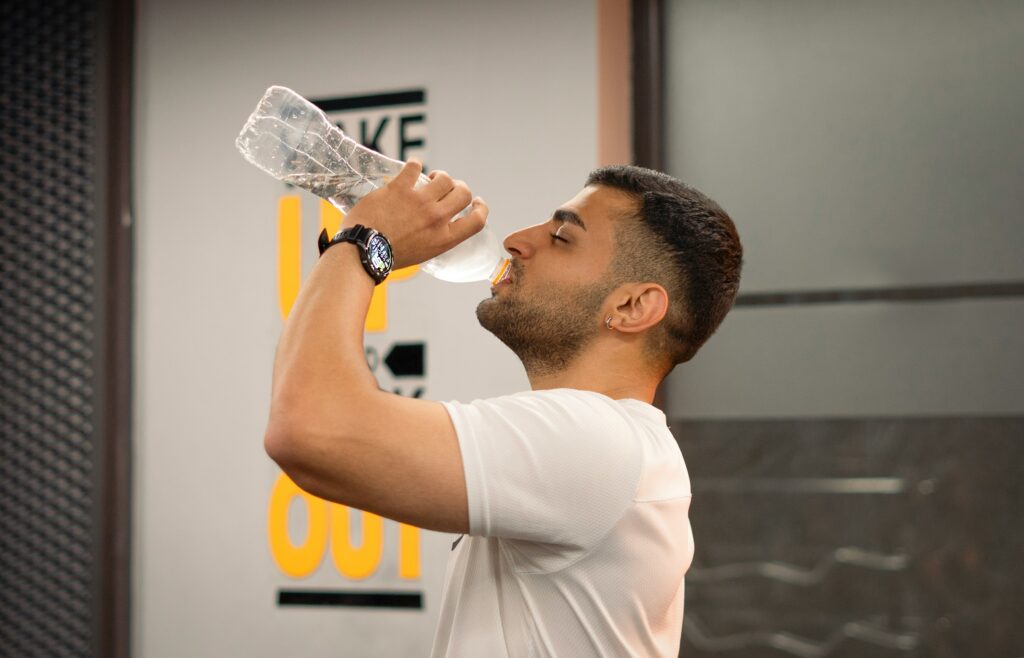
Water is the medium through which all nutritional logic flows. Dehydration slows down the transport of nutrients to your muscles and hinders the removal of metabolic waste products like lactic acid. Even a 2% drop in hydration can significantly impair your recovery speed and cognitive function. For the busy professional, staying hydrated is the easiest yet most overlooked strategy to ensure the body remains in a “prime recovery” state.
6. The “Window of Opportunity” Myth
You may have heard that you must eat protein within 30 minutes of a workout or your gains will vanish. The modern scientific logic suggests that while post-workout nutrition is important, your total daily intake is far more critical. Instead of stressing over a 30-minute window, focus on consistent, balanced meals throughout the day. This ensures a steady supply of nutrients, allowing for 24/7 muscle repair and sustained energy levels.
| Nutrient Group | Key Sources | Primary Recovery Role | Priority Level |
| Proteins | Chicken, Tofu, Eggs, Whey | Repairing muscle tissue tears | Critical |
| Carbohydrates | Oats, Rice, Sweet Potato | Replenishing glycogen (energy) | High |
| Healthy Fats | Avocado, Nuts, Olive Oil | Hormonal balance & inflammation | Medium |
| Electrolytes | Bananas, Spinach, Sea Salt | Rehydration & nerve function | High |
Frequently Asked Questions (FAQs)
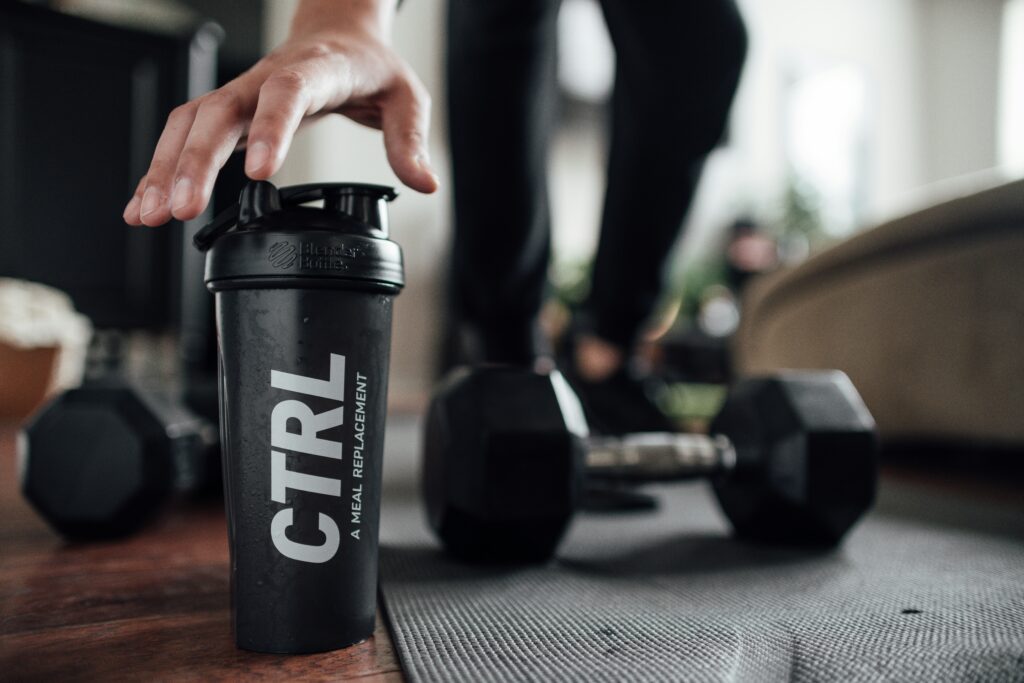
Q: Should I take a protein shake immediately after training?
A: It is convenient, but not mandatory. If you are having a high-protein meal within a couple of hours of your session, a shake isn’t strictly necessary. The logic is to meet your daily protein targets.
Q: Why am I so sore two days after a workout?
A: This is called DOMS (Delayed Onset Muscle Soreness). It is often a sign that your nutrition or recovery sleep wasn’t sufficient to handle the intensity of that specific workout.
Q: Does caffeine help with recovery?
A: While caffeine can reduce the perception of muscle pain, it can also interfere with sleep—the most important recovery tool. Use it logically: in the morning for performance, but avoid it in the evening.
Q: Are “cheat meals” okay for recovery?
A: An occasional meal off-plan won’t ruin your progress, but highly processed foods can increase inflammation, which may slow down the speed at which your muscles repair.
About the Author